

What Is a Living Trust in Pennsylvania and Do You Need One?
Posted on
You’re at a family dinner when the conversation turns to estate planning and someone mentions a “living trust.” Everyone nods knowingly, but the term itself still feels a little unclear to you. You’re not alone.
Living trusts are often misunderstood. For some Pennsylvania residents, a revocable living trust can offer privacy, continuity, and a smoother transition for loved ones. But it doesn’t replace a will or solve every estate planning challenge.
Here’s what a living trust does, what makes Pennsylvania different, and when one may make sense for your family.
What Is a Living Trust?
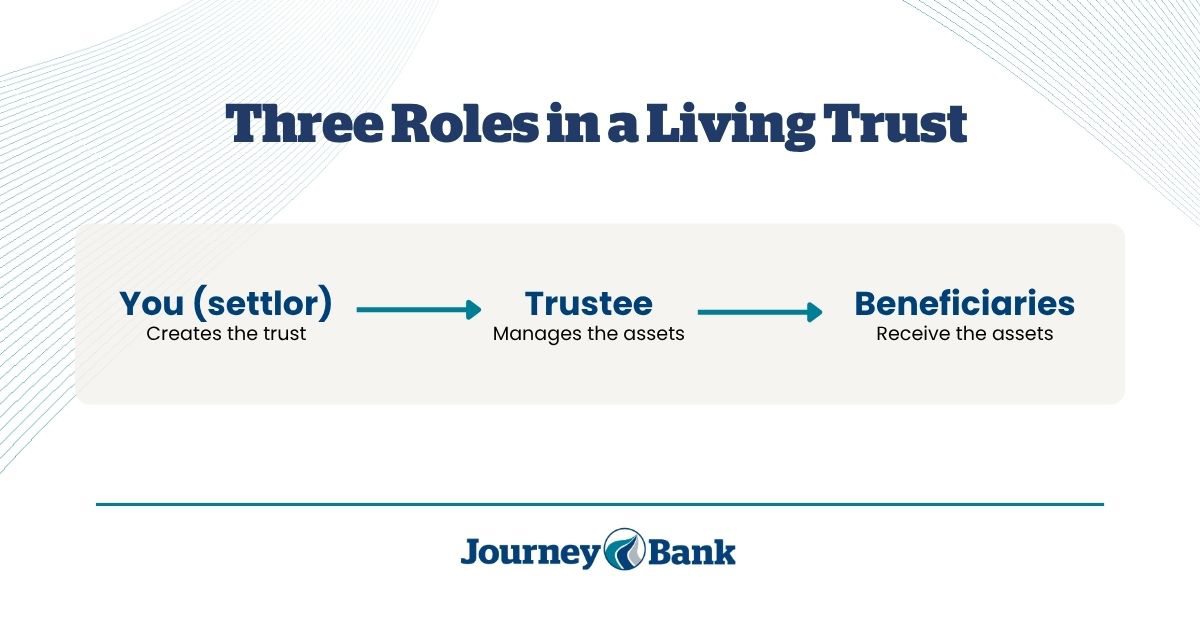
A living trust is a legal arrangement that allows a trustee to hold and manage assets under your instructions. It can also explain what happens if you become incapacitated and how the assets are distributed after your death.
When you create the trust, you’re the settlor. You transfer selected assets into it and name a trustee. Many people serve as their own trustee, then name a successor to step in if they can no longer manage their affairs or after they die.
There are two primary types of living trusts:
- Revocable living trusts can be changed, amended, or canceled during your lifetime. They offer flexibility and are the most common choice for Pennsylvania families.
- Irrevocable trusts generally can’t be changed except in limited circumstances. They serve different planning purposes and usually require specialized legal guidance.
A trust must also be funded. That means transferring ownership of eligible assets, such as real estate, certain financial accounts, or other property, into the trust’s name. A signed trust document alone doesn’t move those assets. In practice, that means retitling a deed, changing an account registration, or updating a beneficiary designation so the trust becomes the legal owner. This step is easy to overlook because it doesn’t happen automatically, and it often needs to be repeated each time you open a new account or acquire property.
How Is a Living Trust Different From a Will in Pennsylvania?
The clearest difference between a living trust and a will is how property is handled after someone dies.
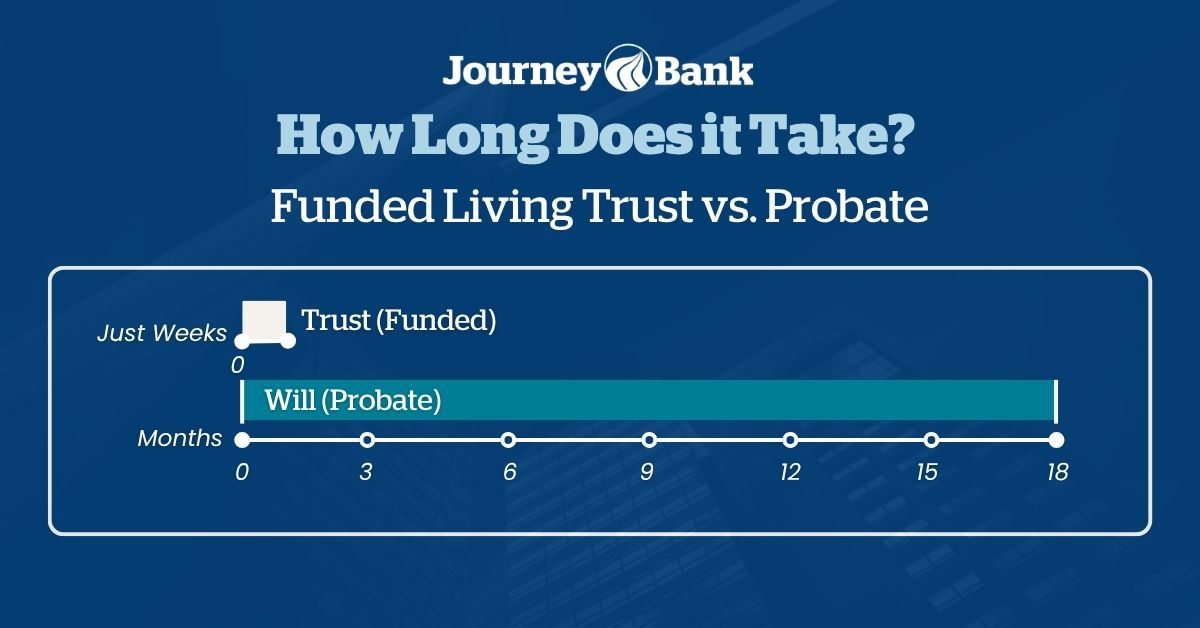
Assets distributed under a will generally pass through probate, the court-supervised process of administering an estate. Probate records are generally public, and administering an estate can take months. Assets properly titled in a living trust generally avoid probate because the trustee already holds them.>
For families, that can make a practical difference:
- Trust assets may be distributed more efficiently.
- Trust administration typically remains outside the public probate record, although court proceedings involving the trust may become public.
- A successor trustee can manage trust assets during incapacity without first seeking a court appointment.
A living trust doesn’t replace a will. You’ll generally still need a pour-over will to direct assets that weren’t transferred into the trust. A will is also where parents nominate guardians for minor children, something a trust can’t do.
Funding remains essential. Assets left outside the trust may still pass through probate.
What Makes Pennsylvania Different?
Pennsylvania doesn’t follow the Uniform Probate Code used in some states. Estates are administered under Pennsylvania’s own laws and procedures, so guidance written for another state may not fully apply here.
The time and cost involved in Pennsylvania probate depend on the estate’s size, assets, debts, beneficiaries, and whether disputes arise. Assets properly transferred to a living trust generally avoid that process.
A Living Trust Does Not Avoid Pennsylvania Inheritance Tax
This is important when reading general trust information online: A revocable living trust may avoid probate, but it doesn’t avoid Pennsylvania inheritance tax. Trust assets are generally still subject to the tax.
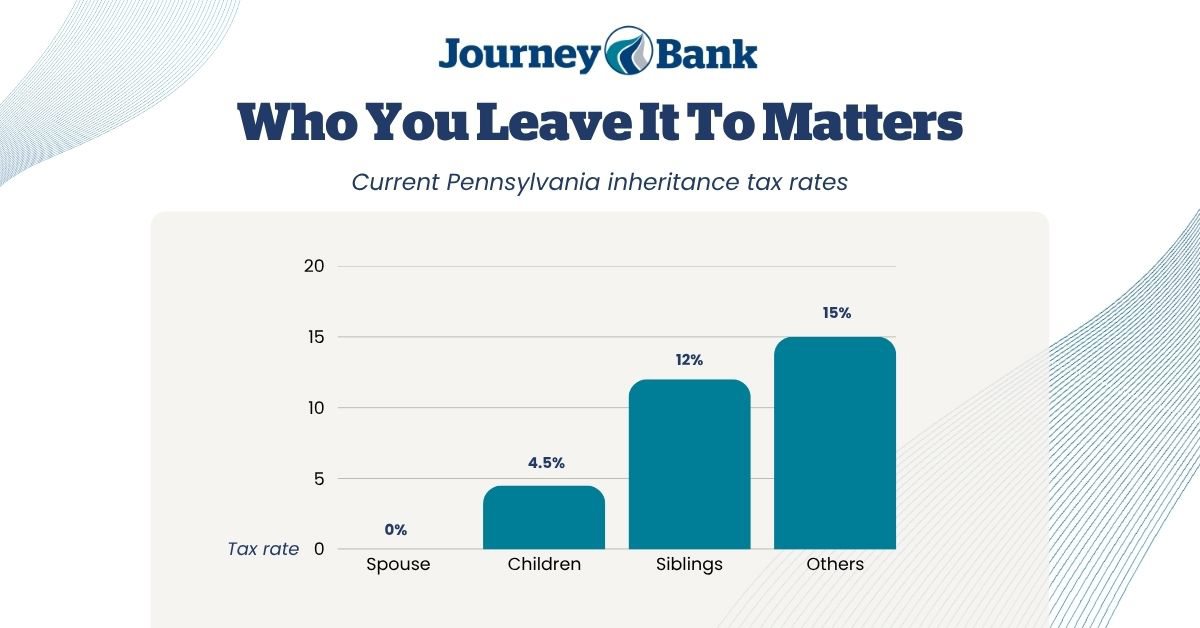
Current Pennsylvania inheritance tax rates include:
- 0% for transfers to a surviving spouse or from a child age 21 or younger to a parent
- 4.5% for transfers to direct descendants and other lineal heirs
- 12% for transfers to siblings
- 15% for most other beneficiaries, with certain exempt transfers excluded
A trust may help an estate avoid probate, but it doesn’t reduce or eliminate these inheritance tax obligations.
Pennsylvania doesn’t impose a separate state estate tax. For 2026, estates may face federal estate tax if they exceed the $15 million basic exclusion amount. Because thresholds can change, review current rules with an attorney or tax professional.
A revocable living trust generally does not protect assets from creditors or remove them from consideration under Medicaid eligibility rules. Because you retain the ability to change or cancel the trust at any time, Medicaid generally treats those assets as still available to you, the same as if they were held in your own name.
Who Benefits Most From a Living Trust in Pennsylvania?
Not everyone needs a living trust. For some families, a carefully prepared will and other estate planning documents may be enough. A trust may be especially useful if you:
- Own real estate, particularly property outside Pennsylvania. A trust may help avoid a separate proceeding in another state, known as ancillary probate.
- Value privacy. Unlike a will filed during probate, a trust generally doesn’t become part of the public court record.
- Want a clear plan for incapacity. A successor trustee can often step in under the trust’s instructions without court involvement.
- Have a blended family or complex beneficiary needs. A trust can provide detailed instructions for spouses, children, stepchildren, or beneficiaries with unique circumstances.
- Own significant or diverse assets. Business interests, investments, or multiple properties may benefit from the continuity and organization a trust can provide.
Cost is part of that decision too. Setting up and properly funding a revocable living trust generally costs more upfront than preparing a will alone, and it can take added time to retitle assets into the trust’s name. For families who value the benefits above, that cost is often worthwhile. For smaller or more straightforward estates, it may not be.
Pennsylvania also provides a simplified court procedure for certain estates with qualifying property valued at no more than $50,000, excluding real estate and certain other property. For a smaller or straightforward estate, that procedure may affect whether the cost and work of creating a trust are worthwhile.
An estate planning attorney can help you decide which approach fits your situation.
What a Living Trust Doesn’t Do
A revocable living trust doesn’t:
- Eliminate Pennsylvania inheritance tax
- Protect assets from creditors during your lifetime
- Replace a will entirely
- Name guardians for minor children
- Eliminate the need for powers of attorney, healthcare directives, or other planning documents
In most cases, a trust is only one part of the plan. Each document has a different job to do.
How Can Journey Bank’s Trust Department Help?
Your estate planning attorney can help you decide whether to create a trust and prepare the legal documents. You’ll also need to decide who should serve as trustee and carry out those instructions.
Journey Bank’s Trust Department provides professional trust administration and fiduciary services for individuals and families throughout Central Pennsylvania, including Bloomsburg, Danville, Lewisburg, Williamsport, and surrounding communities.
Journey Bank works alongside your estate planning attorney and other professional advisors rather than replacing them. Our role is to help administer the trust and carry out the plan according to its terms.
Journey Bank's Trust Department is led by Jessica M. Lehman, Executive Vice President and Director of Trust Services, who practiced as an estate planning and trust attorney before joining Journey Bank. Her legal background brings added depth to the guidance available as you and your family plan.
Whether you’re creating a revocable living trust, reviewing an existing one, or planning for future generations, a professional trustee can provide continuity and experienced administration.
As you review your estate plan, you may also want to take a fresh look at your accounts and broader financial needs. Learn more about Journey Bank’s personal banking services and the financial solutions available for every stage of life.
Start the Conversation About Your Estate Plan
Do you need a living trust in Pennsylvania? The answer depends on what you own, who you want to provide for, and how you want your affairs handled if you become unable to manage them yourself.
Ready to learn whether a living trust makes sense for your situation? Connect with Journey Bank’s Trust Department. We’re here to guide you through the process alongside your estate planning attorney.
Trust and investment services may include both FDIC-insured and non-FDIC insured products.
Non-deposit products are not insured by the FDIC, not a deposit of, or guaranteed by, the depository institution; subject to investment risks, including possible loss of the principal amount invested.
This blog is for informational purposes only. Journey Bank does not provide legal counsel or tax advice. Please consult your attorney or accountant.